Sigurd Østerud trained as a geophysical engineer at the Colorado School of Mines and went offshore in the early 1980s, starting with geohazard site surveys for rig placement in the Gulf of Mexico. Over the following four decades he moved from seismic observer to party manager and chief geophysicist, leading onboard departments of up to 17 specialists on 2D, 3D, 4D and multi-component projects worldwide for companies including CGG, TGS, Magseis and PGS.
40+ years offshore seismic acquisition, from site surveys to ocean-bottom nodes
The last chapter of that career has been spent on the seabed itself: quality-controlling ocean-bottom node surveys in shallow and deep water, and most recently leading offshore operations for new tech "drop-and-pop" node deployment and recovery, including infield comparison tests against ROV-based recovery.
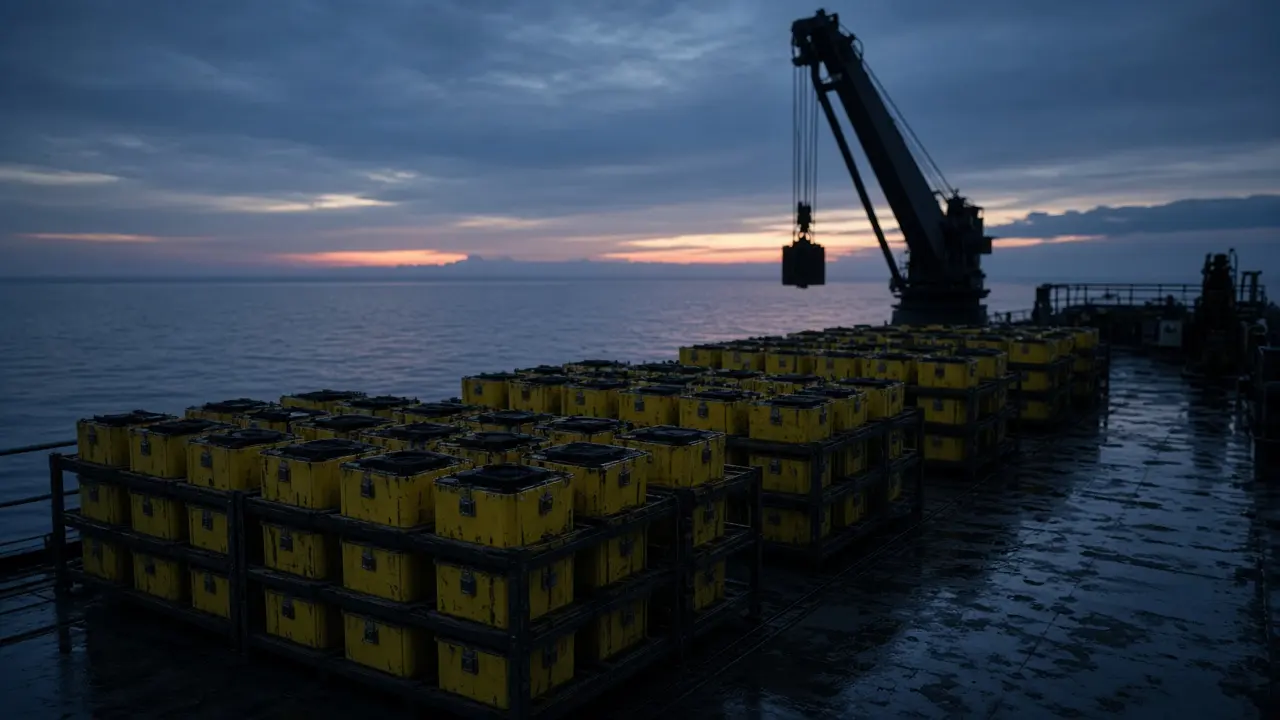
That vantage point made the problem impossible to ignore. Every node carries a battery that has to come back, and the battery limits how long the node can listen. GeoVoltaic turns both problems into a single design question: what if the battery never needed to come back at all, and what if you could design the battery to last the expected survey duration time?